
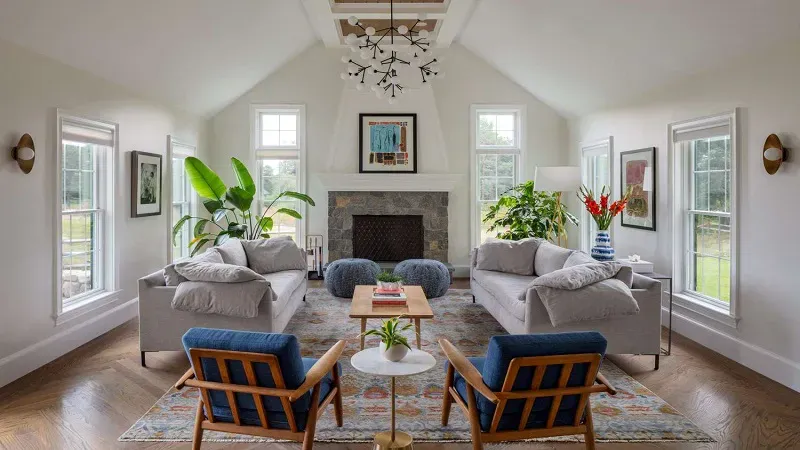
Anyone can decorate a home well, regardless of budget or experience. You just need the right approach for each room, since a living room and a bathroom demand very different strategies. This guide from decoratoradvice.com walks through practical, room-by-room advice you can start using right away.
Set a Foundation Before You Shop
Walk through your home and take notes on what already works and what bothers you. Maybe your living room gets great natural light but feels empty. Maybe your bedroom feels cluttered no matter how much you clean. These observations point you toward real solutions instead of random purchases.
Create a simple mood board for each major room, even if it’s just a folder of saved images on your phone. Include colors, textures, and furniture styles that catch your attention. This step keeps your whole home feeling cohesive, even when you decorate one room at a time over several months.
Set a realistic budget before you begin any single room. Decide how much you want to spend on furniture versus smaller decor items, and leave room for unexpected finds, since the best pieces often show up when you least expect them.
Decorate the Living Room for Comfort and Conversation
Choose a sofa that fits your space and your habits, not just your Pinterest board. Measure your doorways and hallways before buying anything large, and consider how many people typically gather in this room.
Arrange seating around a central point, whether that’s a fireplace, television, or large window. Angle chairs toward each other slightly to encourage conversation, rather than lining every seat up against a wall like a waiting room.
Layer a large area rug under your seating group to anchor the space and add warmth underfoot. Choose a rug large enough that at least the front legs of your furniture rest on it, since a rug that’s too small makes a room feel disconnected and awkward.
Design a Bedroom That Actually Helps You Sleep
Prioritize your mattress and bedding above almost everything else in this room, since quality sleep depends heavily on both. Choose soft, breathable sheets and a mattress that suits your preferred sleeping position.
Keep nightstands functional but simple. A lamp, a small dish for jewelry or glasses, and maybe a book or two work well. Avoid piling too many items on these small surfaces, since clutter here disrupts the calm you’re trying to create.
Install blackout curtains or shades if your bedroom faces early morning sun or streetlights. Good sleep depends on darkness, and even small amounts of light can disrupt your rest more than people realize.
Choose calming colors for this space specifically. Soft blues, gentle greens, and warm neutrals tend to promote relaxation better than bright, energizing colors that work well in other rooms.
Make Your Kitchen Both Beautiful and Functional
Organize your kitchen before you decorate it. Group similar items together, keep counters as clear as possible, and store daily essentials within easy reach. A well-organized kitchen automatically looks more put-together, even before you add a single decorative touch.
Add a few open shelves if your kitchen layout allows it, and display attractive dishware, cookbooks, or small plants there. This creates visual interest without requiring a major renovation.
Choose task lighting carefully in this room, since good visibility matters more here than almost anywhere else in your home. Install under-cabinet lighting for countertops, and consider pendant lights over an island or dining area for both function and style.
Bring in a small herb garden on a windowsill if you get decent natural light. Fresh herbs add color, fragrance, and genuine usefulness to a kitchen in a way that most decor items can’t match.
Transform Your Bathroom Into a Small Retreat
Upgrade your towels and bath mat first, since these small textile changes make an outsized visual difference for very little money. Choose plush, coordinating colors that fit your overall home palette.
Add a small plant that tolerates humidity well, such as a fern or pothos. Bathrooms often lack natural elements, and even one healthy plant changes the entire feel of the room.
Replace outdated hardware, like cabinet pulls and towel bars, for a quick and affordable refresh. This small update often makes a bigger visual impact than people expect, especially in older bathrooms.
Keep countertops as clear as possible, storing daily products in drawers or a small tray. A clutter-free counter instantly makes any bathroom feel more like a spa and less like a medicine cabinet.
Create a Productive, Pleasant Home Office
Position your desk near a window if possible, since natural light reduces eye strain and generally improves mood throughout the workday. If you don’t have window access, invest in strong task lighting instead.
Choose a comfortable chair above almost everything else in this room. You’ll spend hours in it, so prioritize ergonomics over appearance, though many well-designed chairs manage to offer both.
Add a small amount of greenery and personal decor to keep this space from feeling sterile. A single plant, a piece of art, or a favorite photo can make a home office feel less like a corporate cubicle.
Keep cords and cables organized and out of sight wherever possible. Tangled wires make even a beautifully decorated office look chaotic and unfinished.
Style Hallways and Entryways With Purpose
Add a console table or small bench near your front door to create a functional landing spot for keys, mail, and shoes. This small addition prevents clutter from spreading throughout the rest of your home.
Hang a mirror in your entryway if space allows. Mirrors make small spaces feel larger and give you one last chance to check your appearance before heading out the door.
Use hallways to display art or family photos, since these narrow spaces often go completely undecorated in most homes. A gallery wall along a hallway turns wasted space into one of the most personal parts of your home.
Bring Consistency Across Every Room
Repeat a few key colors or materials throughout your home so each room feels connected to the next, even with different functions. This doesn’t mean every room looks identical, just that they share a common thread.
Choose similar metal finishes for hardware and light fixtures throughout your home when possible. Mixing brass in one room and chrome in another can feel disjointed, while consistency ties everything together.
Walk through your entire home periodically and assess how the rooms feel together, not just individually. This bigger-picture view helps you catch mismatches you might miss when focusing on just one space at a time.
Adjust and Refine Over Time
Live with your decorating choices for a few weeks before making major changes. Sometimes a room needs time to feel finished, and rushing to fix something that isn’t actually a problem wastes both money and effort.
Rotate accessories and small decor items seasonally to keep every room feeling fresh throughout the year. This costs very little but makes a noticeable difference in how lived-in and current your home feels.
Trust your own reactions above any trend or outside opinion. If a room makes you happy every time you walk into it, you’ve succeeded, regardless of whether it matches anyone else’s definition of good design.
Final Thoughts
Great home decorating adapts to each room’s specific purpose while maintaining a sense of connection throughout your entire home. Comfort matters in the living room, calm matters in the bedroom, function matters in the kitchen, and personality matters everywhere. Apply these room-specific strategies at your own pace, and you’ll build a home that works as well as it looks.
Start with the room that bothers you most, and build your confidence from there. Once you understand how to approach one space thoughtfully, the same principles carry naturally into every other room in your home.
For more info visit TheDecoratorAdvice